Is Your Florida Home Ready for the Next Storm?
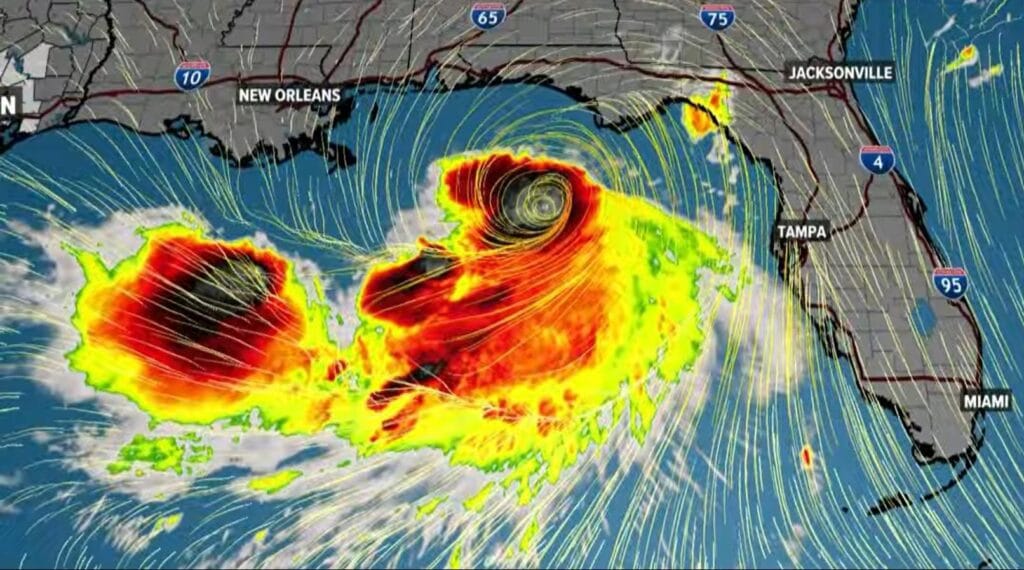
The recent formation of Tropical Storm Bertha in the Gulf is another reminder that hurricane season can change quickly. Although Southwest Florida was not at the center of Bertha’s immediate impacts, every named storm gives homeowners a reason to review their plans. A Florida hurricane preparedness checklist can help you take these steps before a storm threatens your area. Preparing early gives you more time, more choices, and less stress. This checklist combines guidance from FEMA and other emergency-management authorities with our team’s experience helping Southwest Florida homeowners prepare their properties.
Hurricane preparedness involves more than buying water and batteries. You also need to protect your home, secure your property, understand your evacuation options, and make sure your family knows what to do.
At Elite Hurricane Protection, we help homeowners across Southwest Florida prepare their homes with hurricane shutters, hurricane screens, and storm panels. We have also seen how much easier storm preparation becomes when homeowners plan ahead.
Use this guide to review your hurricane plan and make sure your Florida home is ready for the next storm.
Why Early Hurricane Preparedness Matters
The Atlantic hurricane season runs from June 1 through November 30. However, homeowners should not wait until a hurricane watch or warning is issued to begin preparing.
Once a storm threatens Florida, stores can become crowded. Important supplies may sell out. Gas stations may develop long lines. Contractors may also receive more service calls than they can handle before the storm arrives.
Waiting can also cause homeowners to rush through important decisions.
Preparing early gives you time to inspect your hurricane protection, gather supplies, review your insurance, and correct any problems you find. You can make thoughtful choices instead of reacting under pressure.
Even when a tropical storm does not directly affect Southwest Florida, it can serve as a useful reminder. The next system may follow a different path or become stronger.
The best time to prepare is before you need to.
1. Know Your Evacuation Zone and Local Risks
Every Florida hurricane plan should begin with one important question:
Do you know your evacuation zone?
Florida coastal communities can face storm surge, flooding, high winds, and other hazards during a hurricane. Some homes are more vulnerable because of their location, elevation, age, or type of construction.
The Florida Division of Emergency Management provides an online tool that allows residents to look up their evacuation zones by address. Your county may also provide local evacuation maps and emergency information.
Knowing your zone helps you understand evacuation orders when local officials issue them.
Do not assume you will remember your zone once a storm approaches. Look it up now and write it down with your other emergency information.
You should also identify:
- The safest route out of your area
- More than one possible evacuation route
- A safe destination outside the evacuation zone
- Nearby shelters
- Hotels that accept pets
- Family or friends who may be able to help
- Transportation options for anyone who does not drive
If local officials order your zone to evacuate, follow their instructions. Do not wait until conditions begin to worsen.
Include Pets in Your Evacuation Plan
Pets need their own hurricane supplies and evacuation plan.
Prepare carriers, leashes, food, water, medications, vaccination records, waste bags, and identification. Keep a recent photograph of each pet with your important documents.
However, not every public shelter accepts pets. Find out which shelters or hotels can accommodate them before a storm threatens the area.
Plan for Medical and Mobility Needs
Some family members may need extra support during an evacuation or power outage.
Consider prescription medications, refrigerated medicine, mobility devices, oxygen equipment, hearing aids, service animals, and other medical needs.
If someone in your household may need help evacuating, contact your local emergency management office and ask about available assistance or special-needs registration.
Do this well before a storm approaches.
2. Create a Family Hurricane Preparedness Plan
A hurricane can interrupt cell service, electricity, internet access, and normal travel routes. Your family should know what to do even when communication becomes difficult.
Choose one person outside your immediate area to serve as the family contact. It may be easier to reach someone outside the affected region than someone nearby.
Your family plan should answer these questions:
- Where will you go if you must evacuate?
- Where will you meet if family members become separated?
- Who will pick up children from school or childcare?
- Who will help older family members?
- How will you transport pets?
- Which vehicle will you use?
- What will you take with you?
- How will family members communicate if cell service is limited?
Then, write the plan down and give a copy to each person in the household.
You should also store important phone numbers on paper. A dead phone battery can make a saved contact list useless.
Review the plan at least once each hurricane season. Update it whenever phone numbers, medications, schools, workplaces, or living arrangements change.
3. Build and Maintain a Hurricane Supply Kit
An emergency supply kit should contain the basic items your household may need for several days. For a complete list of recommended emergency supplies, review FEMA’s official emergency supply kit checklist on Ready.gov.
Do not wait until a storm is approaching to buy everything at once. Instead, build your kit over time and check it regularly.
Your hurricane supply kit may include:
- Drinking water
- Nonperishable food
- A manual can opener
- Prescription medications
- First-aid supplies
- Flashlights
- Extra batteries
- A battery-powered or hand-crank radio
- Portable phone chargers
- Personal hygiene products
- Cleaning supplies
- Cash in small bills
- Copies of important documents
- Pet food and pet supplies
- Baby supplies
- Work gloves
- Basic tools
- A whistle
- Rain gear
- Insect repellent
- Sunscreen
- A fire extinguisher
- A map of the local area
Check expiration dates on food, medicine, and batteries. Replace expired items before hurricane season begins.
Store your supplies in a place that is easy to reach. You may also want a smaller evacuation kit that can quickly go into your vehicle.
Do Not Forget Your Vehicle
Keep your vehicle maintained during hurricane season. Check the tires, battery, fluids, and fuel level.
Once a storm threatens the area, gas stations may become busy or lose power. Keeping your tank from getting too low can make an evacuation less stressful.
Store a phone charger, basic first-aid kit, flashlight, water, and paper map in your vehicle.
4. Review Your Insurance and Important Documents
Insurance questions are easier to address before a hurricane forms.
Review your homeowners insurance and speak with your insurance professional about what your policy covers. Make sure you understand your deductibles and any limits or exclusions.
Ask about wind and flood-related protection if you are unsure how your coverage works.
Keep copies of important documents in a waterproof container or secure digital location. These documents may include:
- Insurance policies
- Driver’s licenses
- Passports
- Birth certificates
- Medical information
- Prescription lists
- Property records
- Vehicle information
- Emergency contacts
- Contractor information
- Pet vaccination records
Also, take photographs or videos of your home, furniture, appliances, electronics, and other valuable property. These records may help document the condition of your belongings before a storm.
Update the photographs when you purchase expensive items or make major home improvements.
5. Secure Your Yard and Outdoor Living Areas
Many Florida homes have lanais, patios, pools, outdoor kitchens, and landscaped yards. These spaces are enjoyable throughout the year, but they can contain items that become dangerous during high winds.
Before a storm arrives, bring loose items inside or secure them properly.
Pay attention to:
- Patio furniture
- Grills
- Planters
- Trash cans
- Pool equipment
- Umbrellas
- Garden tools
- Decorative signs
- Hanging plants
- Children’s toys
- Bicycles
- Outdoor rugs
- Yard decorations
Do not place loose furniture or equipment in your swimming pool unless a qualified pool professional specifically advises you to do so.
Trim damaged or weak tree branches well before a storm threatens the area. Avoid major last-minute trimming that creates piles of branches and debris.
Clean gutters and drains so water can move away from the home. Check fences, gates, sheds, and screen enclosures for loose or damaged parts.
Small problems can become much larger when strong winds arrive.
6. Inspect Your Hurricane Protection
Owning hurricane shutters or screens is only helpful when the system is ready to use.
Inspect and operate your hurricane protection before a storm enters the forecast. This gives you time to address missing parts, damage, or operating problems.
Accordion Hurricane Shutters
Open and close each accordion shutter. Make sure the shutters move across their tracks and lock correctly.
Remove leaves, dirt, insects, and other debris from the tracks. Look for damaged wheels, loose fasteners, or parts that do not line up correctly.
Do not force a shutter that will not move. Contact a qualified hurricane shutter company if the system needs repair.
Roll-Down Hurricane Shutters
Test each roll-down shutter before hurricane season.
Lower the shutter fully, then raise it again. Listen for unusual sounds and watch for uneven movement.
Make sure you can locate the controls, remotes, switches, and any manual operating equipment provided with the system. Replace remote batteries when needed.
If your system has a manual override or backup power option, review the manufacturer’s instructions before an outage occurs.
Hurricane Screens
Lower and raise your hurricane screens to confirm they operate correctly.
Inspect the screen material, tracks, housing, and surrounding area. Remove anything that may interfere with the screen as it lowers.
Motorized hurricane screens can make storm preparation much easier, especially across large openings such as lanais, patios, garages, and outdoor kitchens. However, homeowners should still test the system before each hurricane season.
Storm Panels
Locate all storm panels, fasteners, wing nuts, anchors, and installation tools.
Make sure every panel is clearly labeled for the opening it protects. Count the panels and confirm that no hardware is missing.
If you recently purchased the home and have never installed the panels, practice before a storm approaches. A set of panels in the garage does not help much if you do not know where each one belongs.
Why Hurricane Shutters and Screens Matter
A hurricane can send branches, roofing materials, signs, and other debris through the air. Unprotected windows, doors, and large outdoor openings may be vulnerable to impact and wind-driven rain.
When an opening fails, wind and water can enter the home. This can lead to more damage inside the structure.
Hurricane shutters, hurricane screens, and storm panels are designed to help protect vulnerable openings. The right product depends on the type and size of the opening, your budget, and how you want to operate the system.
Common hurricane protection options include:
Accordion Shutters
Accordion shutters remain attached to the home and close from the sides. Many homeowners choose them because they are dependable and easy to operate.
Roll-Down Shutters
Roll-down shutters lower from a housing above the opening. They provide convenient protection and can be operated manually or by motor, depending on the system.
MagnaTrack® Hurricane Screens
MagnaTrack® Hurricane Screens work especially well across wide outdoor openings. Homeowners often use them to help protect lanais, patios, balconies, garages, and outdoor kitchens.
Storm Panels
Storm panels provide removable protection at a lower initial cost than many permanent systems. They require storage and manual installation before a storm.
No hurricane protection product can guarantee that a home will avoid all storm damage. However, protecting vulnerable openings is an important part of preparing a Florida home for severe weather.
7. Prepare for a Power Outage
Hurricanes and tropical storms can interrupt electrical service for hours or days.
Charge phones, portable battery packs, rechargeable lights, and other devices before the storm arrives. Keep battery-powered flashlights in several areas of the home.
Avoid using candles when possible because they can create a fire risk.
If someone in your household relies on powered medical equipment, speak with the equipment provider and your medical professional about backup options.
Use Portable Generators Safely
A portable generator can be useful during a power outage, but it can also produce deadly carbon monoxide.
Never operate a portable generator inside a home, garage, carport, lanai, or other enclosed or partly enclosed space. Keep it outdoors and at least 20 feet away from doors, windows, vents, and attached garages.
Use working carbon monoxide detectors inside the home. Follow the generator manufacturer’s instructions and keep the equipment protected from rain and flooding.
Never connect a portable generator directly to your home’s electrical system unless a qualified professional has installed the proper transfer equipment.
8. Monitor Reliable Weather Information
Weather information can spread quickly online, but not every source is dependable.
Follow updates from:
- The National Hurricane Center
- Your local National Weather Service office
- Florida emergency management officials
- Your county emergency management office
- Local law enforcement
- Trusted local news stations
Turn on emergency alerts on your phone. Keep a battery-powered radio available in case the internet or electrical service goes down.
Avoid making important safety decisions based only on a social media post or a single forecast image.
A hurricane forecast cone can change. It also does not show every possible impact. Heavy rain, tornadoes, storm surge, and strong winds can occur outside the center of the forecast path.
Pay attention to local watches, warnings, and evacuation orders.
9. Complete Your Final Hurricane Preparedness Steps
As the storm gets closer, complete the remaining steps on your Florida hurricane preparedness checklist.
Before conditions worsen:
- Close and secure hurricane shutters
- Lower hurricane screens
- Install storm panels
- Bring outdoor items inside
- Charge electronic devices
- Fill clean containers with water
- Set refrigerators and freezers to colder settings
- Move vehicles to a safer location
- Protect important documents
- Confirm your evacuation route
- Check on family members and neighbors
- Bring pets indoors
- Follow local emergency instructions
Do not wait until strong winds begin to install shutters or panels. Working on ladders or handling large materials becomes dangerous as weather conditions worsen.
Finish outdoor preparation early and remain inside once local officials advise residents to shelter.
10. Avoid These Common Hurricane Preparedness Mistakes
Even experienced Florida homeowners can overlook important details.
Try to avoid these common mistakes:
Waiting Until a Storm Is Named
Named storms cause people to rush for supplies and services. Begin preparing at the start of hurricane season instead.
Assuming Old Shutters Still Work
Shutters can develop problems after years without use. Test them every season.
Losing Storm-Panel Hardware
Store panels and hardware together. Label everything clearly.
Forgetting About Large Outdoor Openings
Windows are not the only areas that may need protection. Lanais, patios, garages, sliding glass doors, and outdoor kitchens may also have large openings.
Ignoring Evacuation Orders
Hurricane protection can help protect a structure, but it does not replace an evacuation plan. Always follow instructions from local authorities.
Running a Generator Too Close to the Home
Generators can cause carbon monoxide poisoning. Keep them outside and away from all building openings.
Leaving Outdoor Items Unsecured
Patio furniture, planters, grills, tools, and decorations can become dangerous in strong winds.
Do Not Wait Until the Next Storm Approaches
The recent development of Tropical Storm Bertha is a useful reminder for Florida homeowners. One storm may move away from Southwest Florida, but another system can follow a very different path.
You cannot control where the next storm goes. You can control how well you prepare.
Review your evacuation zone. Build your emergency kit. Secure your outdoor areas. Test your hurricane protection. Make sure your family knows what to do.
If your home still has unprotected openings, begin researching your options now. Installing hurricane protection takes planning, custom measurements, product selection, and professional installation. Waiting until a hurricane threatens the area may limit your choices.
Prepare Your Southwest Florida Home Today
Elite Hurricane Protection helps homeowners protect their properties with accordion shutters, roll-down hurricane shutters, MagnaTrack® Hurricane Screens, and storm panels.
Our team will inspect your openings, explain your options, and recommend a system based on your home and your needs. We provide professional hurricane protection installation throughout North Port, Port Charlotte, Punta Gorda, Englewood, Venice, Sarasota, and surrounding Southwest Florida communities.
Contact Elite Hurricane Protection today to schedule a free estimate or call us at (941)200-2916.
Preparing now can save time and reduce stress later. Use this Florida hurricane preparedness checklist, review your plan with your family, and make sure your home is ready before the next storm develops.